 MOVIE★ 7.9
Spider-Man: Brand New Day
2026Science Fiction


Search SFlix for a title, explore popular films and television, or save something interesting for later.
MOVIE★ 7.9
2026Science Fiction
 MOVIE★ 8.0
2026Adventure
 MOVIE★ 6.4
2026Action
 MOVIE★ 7.8
2026Comedy
 MOVIE★ 8.9
2026Animation
 MOVIE★ 5.2
2024Romance
 MOVIE★ 8.8
2026Crime
 MOVIE★ 6.7
2026Romance
 MOVIE★ 7.8
2026Action
 MOVIE★ 6.2
2026Thriller
 MOVIE★ 8.2
2026Horror
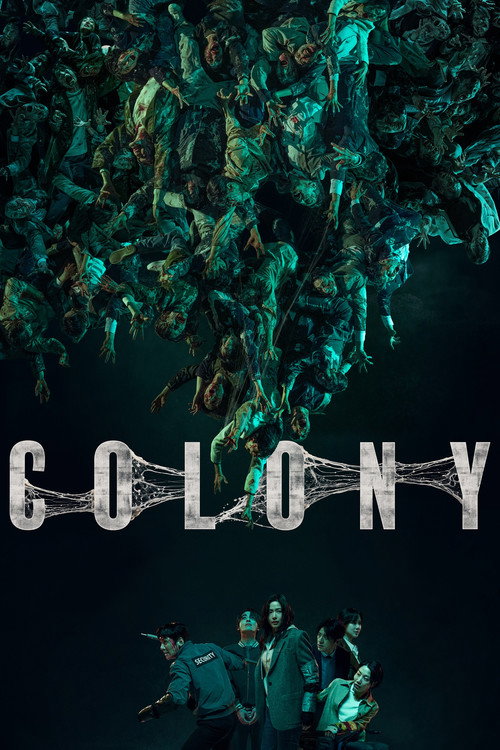 MOVIE★ 8.1
2026Action
 MOVIE★ 6.7
2026Crime
 MOVIE★ 7.0
2026Horror
Browse titles
Live query results with no separate search-results transition.
Television
Now on SFlix
Catch up on a series, open a high-rated film, or scan the current featured collection.
Catalog filters
Use genre, country, and release-year pages to turn a large catalog into a manageable choice.
SFlix help
Get direct information about mobile installation, active addresses, playback problems, and comparable sites.
Explore SFlix
Go directly to the part of SFlix you need.
Reacher puts an investigator on the road. Silo takes a mystery underground. Ted Lasso sends an unlikely coach into an unfamiliar game. Start with the series that catches your interest, or switch to Movies when you want a story that finishes in one sitting. SFlix brings title search, movie and TV browsing, genres, release years, and My List together so a recommendation can become something you actually watch.
Open a title for its story and release details. Save it if you want to return, or choose Watch Now to explore viewing options through JustWatch. Pick your country and inspect the available offer before opening the viewing service. You can use SFlix to browse without an account, whether you are looking for free movies, an HD evening on the television, or a series to follow from your phone, tablet, or laptop.
The SFlix TV Shows catalog lets you begin with television instead of separating it from a page full of films. Open a familiar name or inspect something new. A series page introduces the premise, original-release information, and genres, giving you enough context to decide whether the show belongs in your plans.
Think about how you like a series to unfold. Some shows build one continuous story, making details from earlier episodes matter later. Others provide a new case, problem, or situation each time while letting the main characters develop gradually. That difference affects how easy it is to return after a gap, even when both shows sit in the same genre.
A long-running show can be appealing when you want a familiar cast to revisit. A shorter series can be a good choice when you prefer a more defined commitment. The title's first-release year does not tell you how much television is available, so check the seasons and episode selection with the viewing service before planning your pace.
Read the setup, then stop before looking for explanations of later events. Series discussions often assume that everyone has reached the latest episode. If you are beginning now, a basic description is more useful than a detailed account of why the finale divided viewers. Give the first episode room to introduce its own questions.
Use My List for shows you want to remember, including those you are not ready to start. It helps separate discovery from watching. When you return, the show is easy to find, and you can check the current viewing options without reconstructing how you first encountered it.
For a shared series, decide whether you will watch together or simply discuss it as you go. That small agreement prevents accidental spoilers and makes a longer run easier to enjoy. The catalog keeps the show close; the rhythm of watching is yours to choose.
Reacher begins with a former military police investigator moving through civilian life with few possessions. That premise gives you an immediate sense of the central character's independence. Open the series page if you want to explore an action and investigation story built around a lead who is difficult to overlook.
The Mentalist puts observation at the center of its premise. Patrick Jane's ability to read people becomes a tool for solving crimes. If the pleasure you want is watching someone notice what others miss, that is a different starting point from choosing a show mainly for physical action.
Lioness introduces undercover work and the people responsible for carrying it out. Its setup centers on a recruit and the leadership of an intelligence operation. Read the description and the viewing service's content information to decide whether that kind of pressure is what you want from a series.
These titles can share broad action or crime interests without being interchangeable. Consider whether you want an investigation, an ongoing operation, a central mystery, or a forceful lead character. That more specific preference helps you choose between shows that might otherwise blur together in a row of dramatic posters.
For crime television, inspect content information when the subject matter could affect your choice. Law & Order: Special Victims Unit, for example, identifies a particular investigative focus in its premise. A familiar television title should not be assumed suitable for every audience or every mood.
After selecting a show, verify the season with the viewing service. You may find older and newer seasons in different offers. Keep the series title and the episode you intend to watch close together so a switch between services does not accidentally move you ahead or back in the story.
Silo opens the door to a society living beneath a ruined surface, with an engineer drawn toward hidden truths. The interest begins with the setting and the unanswered questions it creates. If that premise appeals to you, the series page is a good place to start before looking at episode discussions.
Science fiction can use a large imagined world to ask a small, personal question: whom to trust, what to believe, or how to live within rules no one fully understands. Fantasy can create a similar kind of curiosity through different means. Browse these genres for the premise itself instead of assuming they always mean constant action or elaborate battles.
A mystery built across episodes rewards a clear viewing order. Confirm the season and episode in the selected player before resuming. A service may display a recent installment prominently even when you are still near the beginning. The first-release year on the catalog page identifies the series, while the player determines which chapter actually begins.
Subtitles can be helpful when a show introduces unfamiliar names or terms. Select an appropriate track before the dialogue becomes dense, and check that it remains available if you move from a phone to a television. A brief setup check lets you focus on the story instead of repeatedly asking what a character said.
Give yourself time between episodes if you enjoy thinking through a mystery. Watching a season quickly and watching it gradually create different experiences, and neither requires a special feature here. Keep the show in My List, retain your place with the viewing service, and return at a pace that keeps the questions interesting.
If the scale of a long series feels too large, visit the movie catalog for science fiction or fantasy told in a single feature. You can explore an unusual world without making every viewing choice a multi-season commitment.
Ted Lasso starts with an American football coach taking charge of an English soccer team despite his unfamiliarity with the sport. The premise places a newcomer among people who have reasons to doubt him. Open its page if character friction and an unexpected setting sound like an appealing combination.
For a comedy, the source of humor matters more than the genre label alone. A workplace ensemble, a family comedy, a satire, and an awkward character study can all produce laughter in different ways. Read the setup to decide whether the humor sounds warm, sharp, uncomfortable, or broad enough for the people watching with you.
Comedy is not automatically background viewing. A joke can depend on a quiet line, a reaction, or something established several episodes earlier. If you are starting a show you have never seen, give the opening a little attention before deciding whether it works for you. Familiarity with the characters often changes what you notice.
A shorter episode can fit into a busy schedule, but runtime varies from show to show and episode to episode. Check the viewing service instead of assuming all comedies last the same amount of time. That helps when you want one episode before bed or have a limited break.
For group viewing, check age classifications and content information even when the artwork looks cheerful. Comedy can include adult language, difficult themes, or situations that are wrong for a particular audience. A quick look at the actual title is more useful than deciding suitability from the word comedy.
Use a series you already enjoy when you want familiar company, or try a new premise when you feel curious. Both choices belong in the same catalog. My List can keep those options together without suggesting that every visit has to lead to the newest show.
The show title is only the beginning of a television viewing choice. Before you press play, confirm the season and episode in the viewing service. This matters when you are returning after a break, opening a show on a different device, or moving from one available offer to another.
Episode names can be useful when numbering differs. A special, recap, reunion, or split release may sit outside the main sequence, while some services group installments into parts. Compare the episode title and the description when the numbers alone are confusing. Avoid opening a long recap of the plot until you know it stops at the point you have reached.
A catalog entry for a series does not promise every episode is available from the same service. One provider may list only certain seasons, and availability can differ by country. Open the actual offer and inspect its season selector before planning an extended watch. The presence of the series logo is not enough to establish a complete run.
If an episode appears missing, first check whether another season, part, or extras tab contains it. Then look at the service's release information if the series is still ongoing. The word latest on a browsing page does not establish that an episode has been released for streaming in your location.
My List keeps the series saved on SFlix; it does not maintain a watched-episode history. Playback position and completed episodes belong to the viewing service. If you move between offers, keep a simple note of the last completed episode so an automatic resume choice does not become a guess.
When reporting a missing episode to the viewing service, include the series, season, episode name or number, country, and device. Those details make the problem specific. A report that only says the show is incomplete may be difficult to distinguish from a regional offer or a different release arrangement.
A feature film can provide a welcome change between series. There is a beginning to enter, a story to follow, and an ending you can reach without another week's viewing. Open SFlix Movies when that complete arc is what you want, then browse by title, genre, or release year.
A large ensemble adventure such as The Avengers offers a different viewing choice from the animated world of Spirited Away. Their pages help you compare the story and release details before moving toward an offer. The right choice depends on what interests you, not simply which poster is more familiar.
If you are pausing a tense series, a film in another genre can make the change feel deliberate. Try comedy after a crime drama, animation after a realistic thriller, or a documentary after several episodes of fiction. You do not need a special recommendation mode to make that choice; the genre pages provide a practical way to explore it.
Check runtime before starting if your available time is limited. A movie label does not guarantee a shorter commitment than several television episodes. Viewing services may show different runtimes for different editions, so inspect the offer you will actually play when timing matters.
For a rewatch, consider what you want to enjoy again. It may be a performance, a setting, the humor, or the pleasure of sharing a favorite. Returning to a film can be as satisfying as discovering a new release. A title's age is not a measure of how well it fits your current evening.
Use the title page to finish the choice, then open Watch Now for the available options. If your preferred offer is absent, save the movie and choose another title you already want to see. That keeps the original film in view without turning the evening into a prolonged search.
The Latest collection is a useful entrance when you want to inspect newer titles in the catalog. A recent release year can remind you of a film or series you heard about but never explored. Open the page to read the premise rather than assuming the name or artwork tells the whole story.
Recent does not mean available in every viewing format. A film can be associated with a current year while its cinema run, rental offers, and subscription availability arrive at different times. The relevant question for watching tonight is the current offer in your country, which you can check after selecting the title.
Trending provides another browse selection when you want a broad look at prominent titles. It can be useful for conversation starters or for discovering something you have repeatedly seen mentioned. Its place in a row should lead you to inspect the title, not persuade you that it is the only worthwhile choice.
Top rated uses audience scores from TMDB, The Movie Database, to help you explore well-rated entries in this catalog. Those are not IMDb ratings. If you arrived searching for SFlix Top IMDb, treat the displayed score according to its actual source and compare it with the kind of story you want.
A strong score does not reveal the tone of a series, the intensity of a film, or whether your family will enjoy it. Read the synopsis and inspect the content information on the viewing service when needed. Numbers are useful context, but they are not a substitute for the details that affect your experience.
Switch between these collections when the first one does not help. A recent film can wait while an older series becomes your next favorite. The collections serve different ways of browsing, so choose the one that fits your question instead of expecting every page to present the same ordering.
The SFlix search page is the quickest entrance when you already know what you want. Enter the film or show name, inspect matching results, and open the appropriate title. If a name is shared by a movie and a series, compare the format and release year before choosing.
Start with the title's distinctive words when you are unsure of the full name. A long query containing an actor, device, streaming service, and episode number can miss the information stored in the catalog. Search the show itself here, then select the relevant season and episode with the viewing service.
Original titles, years, genres, and original-language information can also match catalog search. Try these as simple terms when the title alone does not help. If a translated name is unfamiliar, A–Z browsing can help you recognize the spelling or return to a title whose opening words you remember.
Movie and TV catalog filters give you a more structured way to narrow results by title text, genre, and year. Use the genre field when you want a broad kind of story, then add a year if it matters. If the selection becomes empty, remove the least important filter and inspect the wider set.
Use the Years pages to separate remakes or revisit a period. A series is generally identified by its original release year, which may differ from the year of the season you want. That is why adding a current year to an old show's title can be less useful than finding the show first.
Once the correct page is open, save it or keep the title and year together. That pair helps when a viewing service asks you to search again after sign-in. It also prevents a similarly named result from taking over when you move between a mobile browser and the television.
SFlix language browsing helps you explore beyond the names already familiar to you. Open Languages for collections based on original-language information, including English and a range of international films and shows. You can begin with a language, then use the story and genre to decide what interests you.
A Korean drama, a Hindi film, a Japanese animated feature, or a Spanish-language series can offer familiar genres through different settings and performances. Choose the premise that appeals to you. You do not need a complete background in a country's cinema to follow a compelling relationship or an intriguing mystery.
The language listed in the catalog is not a promise about a viewing service's subtitle menu. An English description may introduce a show whose original dialogue is in another language. A dubbed version can have its own release title or voice cast. Check the actual audio and subtitles in the offer you choose.
Country matters separately for availability. Select the country that matches where you are watching when you inspect viewing choices. An offer available to a viewer in the United States may differ from one in the United Kingdom or India. A language preference does not automatically select the right country.
If you are sharing a film with someone who prefers another language, inspect both needs before beginning. The preferred dub and subtitle track may not appear together on every service. Choosing a suitable edition first is easier than interrupting the film to compare offers after the story has started.
International television can also use different episode names or release groupings. Keep the original show title and first-release year close when comparing listings, then confirm the season and episode in the player. The catalog helps identify the work, and the selected service supplies the particular version you watch.
SFlix lets you browse movies and television without paying for access to this catalog. Search, title information, genre pages, and My List are available without a subscription here. Watching a selected title depends on the viewing offer available from the service you choose.
Our Free movies page is a practical entrance when you want to look for free viewing choices. You can also open any title and inspect Watch Now. Its links take you through JustWatch to check offers for the relevant film or show in your country.
Free offers may include advertising or a particular access requirement. A library service may ask for an eligible card, while another provider may supply an advertising-supported stream. A listing under subscription is different from a rental or purchase, even when the same company offers all three. Read the offer you open.
For television, inspect the season rather than assuming a free first episode means the whole series is included. A service can present promotional episodes or a limited selection alongside paid options. The title appearing in the search result is only the first check; the offer determines what is available to watch.
If you already use a subscription service, see whether the title is included there before choosing a separate rental. Compare the required language tracks and television support too. An included offer is more convenient when it also works comfortably on the device you intend to use.
When no suitable free choice exists for one title, keep it saved and explore another. Availability changes, but you do not need to wait to make use of the catalog. A different movie or series you are interested in can keep the evening enjoyable while preserving the first choice for later.
Account requirements belong to the viewing service. The fact that browsing here works without registration does not remove another provider's sign-in step. Check that before gathering a group around the television, especially if you are using an unfamiliar service for the first time.
HD means high definition. Full HD is commonly described as 1080p, while consumer 4K uses a higher image resolution. These labels help you compare offers, but they do not guarantee the same result on every screen. The film or episode, service, app, device, and connection all contribute to what you actually see.
Check the viewing service's quality information for the title you selected. A detailed poster on SFlix does not prove that a 4K stream is available. A service may require a compatible plan or device, and a television capable of 4K can still receive a lower-resolution version when another part of the setup limits it.
A stable picture is often the better choice when the connection is inconsistent. If the player offers automatic quality, it may adjust as conditions change. A manual lower setting can also help when available. Use the selected service's controls rather than looking for a universal SFlix quality switch in the catalog.
On a phone, ordinary HD can remain comfortable at a normal viewing distance. On a large television, extra detail may be easier to notice, especially in wide shots and intricate backgrounds. That does not mean every program benefits equally, and it does not justify repeated buffering when a stable setting is available.
High dynamic range, or HDR, is another label you may encounter. It concerns brightness and color presentation rather than pixel count alone. The content, service, and display must support the relevant format. Treat HDR and 4K as separate details when comparing an offer.
Use the service's own support information if the image is lower quality than expected. Netflix explains its quality requirements in terms of plan, title, and device. Other services have different rules, so check the provider you selected instead of applying one set of limits everywhere.
Captions can make a series easier to follow when dialogue is quiet, accents are unfamiliar, or you are watching at low volume. Translated subtitles open films and shows in languages you do not speak. Before the first episode begins, inspect the audio and subtitle menu in the viewing service's player.
Choose the actual language track rather than assuming a preference carried over from the last title. Services can remember settings differently across profiles, devices, and editions. A new episode may also have a different set of available tracks. Check the menu when something looks wrong instead of immediately changing the entire connection.
Closed captions may include sound cues and speaker identification alongside dialogue. Standard subtitles may focus on translation. If those extra details help you follow the program, look for the appropriate caption option. The presence of an English track does not guarantee that every English track contains the same information.
When subtitles are selected but absent, toggle the track off and back on if the player supports that action, then reopen playback if necessary. Test another available track to see whether the issue is specific to one language. If the picture and sound work, the failure is narrower than the whole stream.
Timing problems require a different check. If captions consistently arrive before or after speech, use a subtitle timing control when the service provides one. A track may also correspond to a different edit. Switching to another appropriate track or offer can be more useful than repeatedly refreshing a mismatch.
If your preferred language is missing, consult the provider's guidance. Netflix's subtitle and audio help illustrates how title, location, preferences, and device can affect its options. That is service-specific guidance, so use the equivalent support for the platform playing your episode.
On a television, confirm that captions appear on the TV itself after casting or changing devices. Captions visible on a phone do not always describe what is being sent to another screen. A short check during the opening saves interruptions once the dialogue becomes important.
A phone makes it easy to search for a title as soon as someone mentions it. Open the page, read the premise, and save the show or movie in the same browser. The mobile navigation keeps the main movie, TV, genre, and saved-list routes available without requiring a separate account.
Use Android guidance or the iPhone and iPad page when you want device-specific browsing help. Browser menus and home-screen options differ, so a button described for one platform may appear somewhere else on another. The catalog itself remains a website you can open directly.
Watch Now may open a new tab or hand over to a supported viewing app. Check the title after that handoff, particularly if you had to sign in or choose a country. A service's search may show a similarly named remake, so keep the year and format in mind.
For a full episode on mobile data, inspect the viewing service's data settings. The amount used depends on duration and quality. Browsing title pages is a different activity from sending a continuous video stream, so do not judge an episode's data use by how little data the catalog appeared to need.
A tablet can make captions and a detailed image easier to follow while still being portable. Position it securely and check brightness and volume before starting. Headphones can be useful in a shared space, but make sure the selected audio output is the one you expect if sound appears to vanish.
Keep the limits of My List in mind when moving between devices. A show saved in your phone's browser does not automatically appear on your laptop. Use the title page or a separate note when you need to carry a recommendation across devices, and leave playback progress to the service that supplies the video.
Choose the film or series in SFlix, then use the selected viewing service's supported television app or streaming device. This is often easier than trying to reproduce a desktop browsing session with a remote. The title and year give you the information you need when you search inside the TV app.
A Smart TV browser may open the catalog while an external video player behaves differently. Services set their own supported devices and browsers. If playback fails in a television browser, inspect the provider's device guidance before assuming that the movie itself is unavailable.
Casting can simplify the move from a phone or laptop when the service supports it. For Google Cast, the sending device and receiving device generally need to be on the same Wi-Fi network. Google's connection troubleshooting describes the relevant checks. Device discovery and successful video playback are separate steps, so test the selected app as well.
AirPlay offers supported streaming and mirroring paths on compatible devices. Apple provides the current steps in its AirPlay instructions. The viewing app must support the method you want to use; a television advertising AirPlay does not make every video service compatible.
Screen mirroring sends a view of the device, while supported video casting can work differently. Picture quality, captions, and controls may behave differently between those methods. Begin with the service's recommended method, then confirm that the television shows the correct episode and subtitle track.
Open our Smart TV guide for more practical preparation. Before a long episode or film, check the sound from the listening position and ensure the screen is using the intended input. It is easier to resolve a setup mismatch during the opening than after everyone has become involved in the story.
When a video keeps pausing, first establish where it is playing. SFlix title pages lead toward viewing offers, and the selected service supplies the stream. If the catalog works while the video buffers elsewhere, the two results describe different parts of your connection and setup.
A film that starts at high quality and then repeatedly stops may be asking more of the connection than it can consistently deliver. Use automatic quality or step down a setting if the player offers that choice. Check for other large transfers on the same network, and see whether the wireless signal is stronger closer to the router.
If another episode on the same service plays normally, note that the problem may be limited to one title or version. If every video there struggles but ordinary pages load, look at the service's own help information. A good speed-test number does not prove that every video connection is equally stable.
Restarting a playback app or reopening its page can resolve a temporary problem. Avoid changing several settings at once, because then you cannot tell which change helped. Keep the exact error wording if one appears and note whether playback fails before starting or after a particular point.
Services may deliver video through different servers and networks. A numbered source button on another website belongs to that site's player; it is not an SFlix catalog setting. Our viewing choices identify available offers rather than a collection of owned streaming servers you can switch between.
For service-specific support, Netflix's buffering guide provides an example of connection and device checks for its own player. Follow the instructions of the service you actually use. If the issue affects an external player, that service has the relevant playback information.
Keep another saved title available if a particular episode cannot be resolved immediately. You can preserve the original show and your place without spending the entire available viewing time refreshing it. A change of title can be a practical temporary choice while the actual issue is investigated.
A moving picture with no sound is usually worth checking as an audio problem first. Inspect the player's mute button, the device volume, and the selected output. A phone may still be connected to headphones, or a television may be sending sound to another device. Increasing volume will not help if the wrong output is selected.
If only one language track fails, test another available track in the viewing service. That helps separate a title-specific audio issue from the entire sound setup. Keep your preferred language in mind before continuing; switching to a track you cannot follow may confirm a problem without providing a useful viewing solution.
Quiet dialogue and loud music can also reflect the mix or sound settings rather than a missing stream. Some televisions or sound systems provide dialogue-focused options. Use a setting appropriate to your setup if available, and test from where you sit. Avoid making a dramatic adjustment based on one unusually loud opening moment.
For an image stretched across the screen, inspect the television or player aspect setting. Films and series can use different shapes, so bars above or beside the image may be normal. Cropping or zooming to remove every border can hide part of the picture. The goal is a comfortable, correctly framed image.
If the screen goes black only when mirroring or casting, check whether the viewing service supports that method. The catalog opening on the television does not establish compatibility with the service's video. A supported TV app or device may provide a better route when the service offers one.
Report the symptom specifically when seeking help. Picture without audio, captions without timing, and a black casting screen are different observations. Include the title, device, app or browser, and whether the same behavior occurs with another title. That is more useful than describing all playback trouble as buffering.
Visit our App page when you want to open SFlix from your home screen. A supported browser may provide an installation or Add to Home Screen option. This gives you a direct entrance to the catalog without changing what the browsing experience does.
Search results for a SFlix app or APK can refer to different products using similar names. An APK is an Android package file. It is not needed to open this website's search, titles, genres, or My List. Our APK page explains that difference for visitors who arrive expecting a separate download.
Installing a browser shortcut does not download the catalog's films or television episodes. It also does not create an account that synchronizes your list or adds a new player. The viewing service you choose continues to determine playback, subscriptions, audio, captions, and device support.
For offline episodes, look inside the selected provider's app for a supported download feature. Availability may depend on the show, episode, device, and offer. Before travel, check that the download is complete and that the audio or subtitle language you need is included.
Downloaded content can have storage and expiry conditions set by the service. Read those conditions if you plan to be away from a connection for a while. A saved title card on SFlix is a reminder of the show, not evidence that an episode is stored for offline playback.
The offline viewing guide helps organize those questions. Find the show here, identify the episode you need, and follow the provider's download process where it is supported. Testing the downloaded episode before departure is the useful final check.
Use Save when a series sounds interesting or when you want to remember a movie between episodes of something else. The saved titles appear in My List, giving you a direct place to return without relying on the same poster being prominent on your next visit.
Your list belongs to the current browser and profile. It is stored on the device through browser storage, so ordinary reloads can retain it while that storage remains available. Private browsing, clearing website data, or opening another browser can show a different list. There is no automatic account synchronization across devices.
For television, saving the show is useful even when you are already watching it. The page remains easy to find when you want to check its description or viewing options. My List does not record completed episodes, so keep your progress with the provider or note the last episode separately if you move between services.
Remove titles when you no longer need the reminder by using the saved control again. A list that reflects what you actually want to watch is easier to use than one filled with every passing possibility. You can keep favorites if revisiting them is part of your plan.
If you need a recommendation on another device, keep the title and year together or share the title page. Your phone's list does not automatically appear inside a TV app, and opening a page does not transfer your list to another person's browser.
Check the current viewing offer when you return to a saved title. A saved entry does not reserve a free stream, retain a rental, or freeze regional availability. It keeps the choice close so you can inspect the options when the time to watch arrives.
A bookmark to the page you use is a useful starting point for returning. Searches containing SFlix, a domain ending, mirror, or unblocked can lead to different websites with similar names. That similarity does not establish a shared catalog, operator, or saved list. Keep track of the address you actually opened.
Our Domains page collects access questions, while Status provides browsing guidance. If one saved title link fails, try the homepage and search for the title again. A single broken page should be checked separately from a failure to open the entire site.
If nothing loads, see whether another ordinary website opens on the same device and connection. If the catalog loads but images do not, or if search fails while navigation works, note that narrower behavior. Each observation gives more useful information than assuming a complete worldwide outage from one failed request.
When a saved list appears empty after changing addresses, remember that browser data may belong to a different browsing context. A similar-looking site does not automatically contain choices saved at another address. Check the browser, profile, and bookmark you originally used before concluding that your titles have been lost.
Managed networks such as workplaces, schools, or shared facilities may have their own access rules. Use an allowed connection and the supported access methods of the viewing service. Being able to reach a catalog does not change where a provider makes an episode available.
For a browsing report, use the Contact page and include the exact page, the action that failed, and the device or browser involved. Keep passwords and payment details out of that report. If the issue is inside a separate player's stream, the viewing service is the appropriate place for its playback support.
If you need another viewing choice, begin with the specific problem. Perhaps a season is missing, captions do not include your language, a service does not support your television, or the available offer does not fit your budget. A precise need helps you compare alternatives more usefully than another broad search for the biggest catalog.
The Alternatives page offers a starting point, and the title's viewing section keeps the comparison attached to the work you want. Look at the same film or season across offers. Country, price, audio, subtitles, quality, and device support may differ even when the title looks identical.
SFlix Reddit discussions can reveal questions other viewers are asking, but the date and exact site matter. A thread about a subtitle failure on an old address cannot establish the state of a different player today. A recommendation for one country may not apply to another. Use discussion as context and check the current offer directly.
For show recommendations, look for an explanation of the appeal. Someone mentioning the investigation style, ensemble cast, humor, or pacing gives you something you can compare with your own tastes. Search the suggested title here and inspect the premise before deciding that popularity alone makes it the right next series.
If you cannot find a suitable version of one episode, keep your place and choose a different saved title for the available time. You can return to the original show after checking the provider's information. The aim is to watch something you want, with the picture, language, and device support that let you enjoy it.
You can search titles, browse Movies and TV Shows, open their pages, and save My List without a SFlix account. Your list stays in the browser you use. A provider you select through Watch Now may have a separate sign-in requirement for its viewing offer.
Watch Now leads to the title's viewing choices. The linked JustWatch page or search helps you check available offers in your country, and the selected viewing service supplies the player. That service controls playback, accounts, prices, quality, subtitles, and audio tracks.
Open the Free page or inspect a title's viewing choices for free and advertising-supported offers. Confirm the country and the exact movie, season, or episode with the selected service. A free promotional episode does not necessarily mean the rest of its series is included.
A series entry identifies the show, while the viewing offer determines which seasons and episodes are available. Check the provider's season selector, parts, specials, and release information. Availability can differ by country and service, so a series logo alone does not establish a complete run.
My List remembers saved titles in your current browser, but it does not track episode completion or playback position. Use your viewing service's progress features where available. Keep a note of the last episode if you switch services or devices that do not share progress.
Confirm the track in the viewing service's player, reopen playback, and test another available language track if appropriate. If picture and sound work, the problem may be specific to captions. Check the provider's help and test captions again after casting or moving to another device.
The catalog does not guarantee a resolution for every title. HD, 1080p, and 4K depend on the actual viewing offer and supported plan, app, device, and connection. Inspect the selected service's title information and quality requirements before deciding which option to use.
The website does not require an APK for catalog browsing. Visit the App page for supported browser installation and home-screen options. A browser shortcut is not a movie download and does not create native playback, an account, or automatic synchronization between devices.
Ordinary pages and video playback place different demands on the connection. Check the player's quality setting, wireless signal, and other network activity. Compare another title on the same service. A problem with one video does not necessarily mean the SFlix catalog or the whole internet connection is down.
Use the viewing service's supported TV app, streaming device, or casting method. Keep the show title, season, and episode handy when switching screens. Casting and AirPlay support vary, so confirm that the selected player and captions work on the television before continuing.
 TV★ 8.1
 TV★ 4.9
 TV★ 8.4
 TV★ 8.1
 TV★ 8.2
 TV★ 8.4
 TV★ 8.0